






29 Aug, 2024
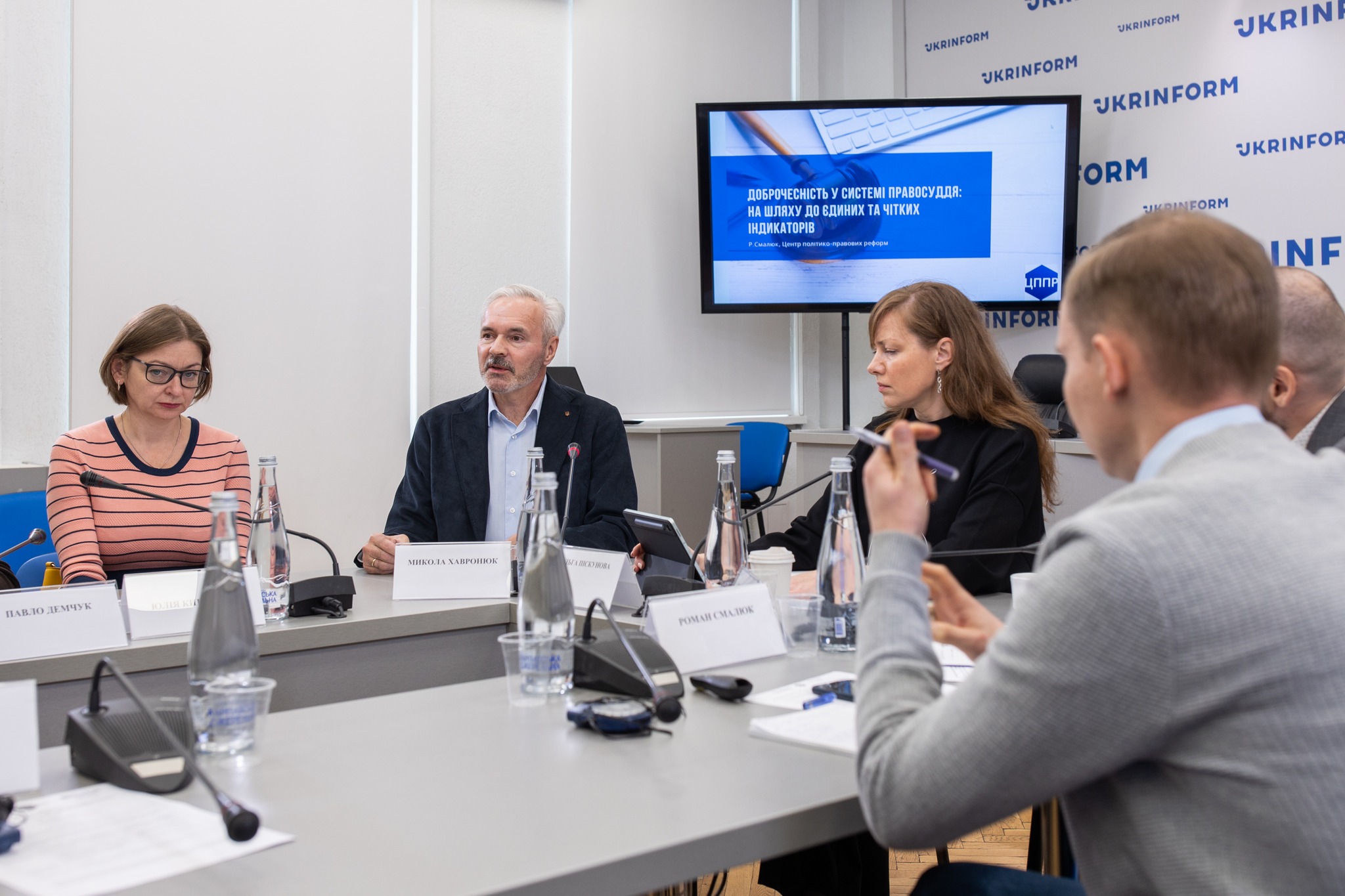
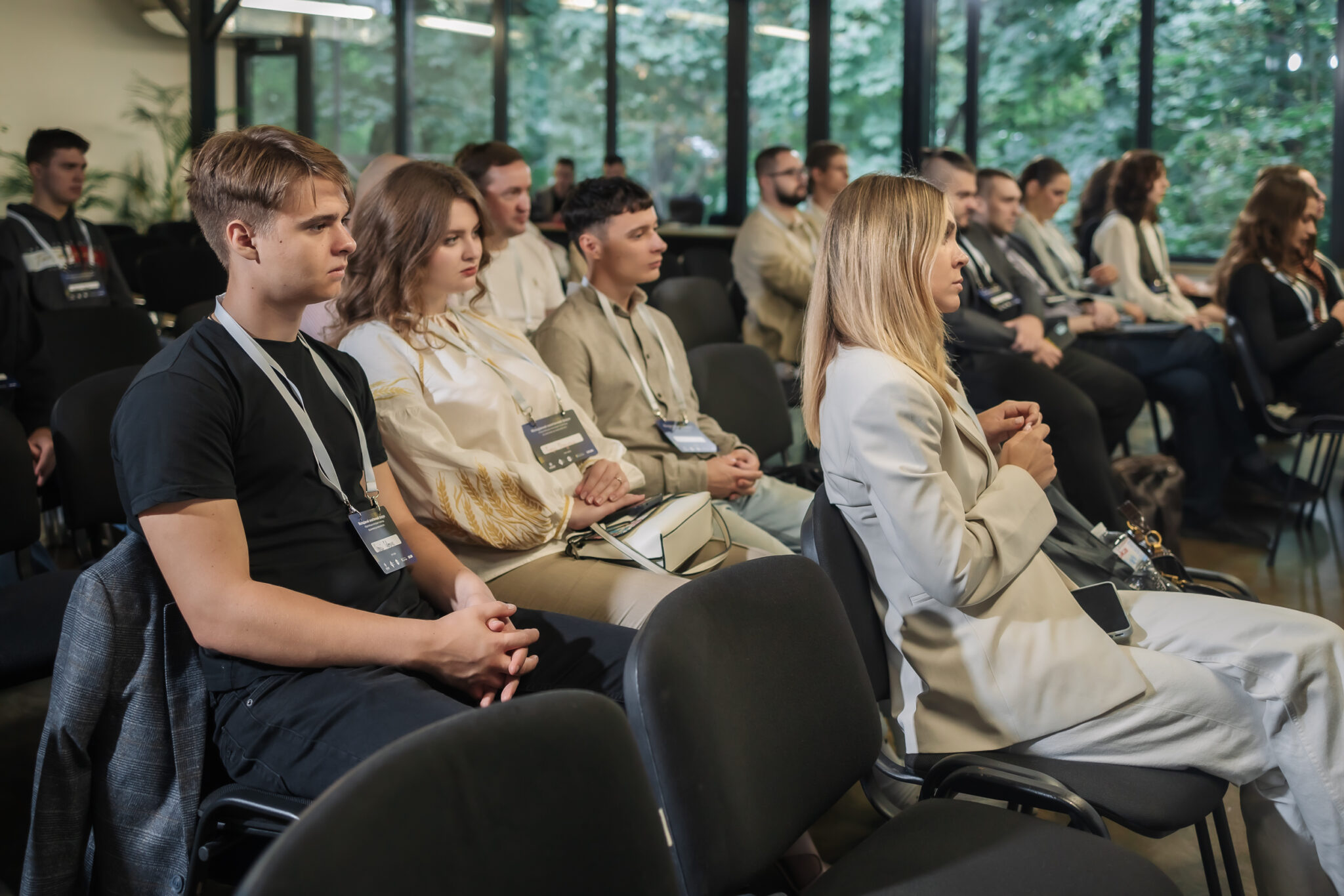
This conference was held in July in Georgia (Tbilisi) with the participation of civil society representatives from the EU Association and Western Balkan countries, as well as members of the German Bundestag – Robin Wagner (Coordinator of the Federal Government of Germany for Social Cooperation between the South Caucasus, Republic of Moldova and Central Asia, Greens), Thomas Hacker (Member of the Bundestag, Member of the Committee on European Union Affairs, spokesperson for the Free Democrats’ faction on European policy), Knut Abraham (Member of the Bundestag, Member of the Foreign Affairs Committee, Christian Democratic Union).
The event was inaugurated with a speech by the EU Ambassador to Georgia, Pawel Herszczynski. The organizers set out to create a platform that would bring together representatives of civil society, experts and academia from the Eastern Partnership candidate countries and the Western Balkans. They believe that such a platform will give impetus to intensifying the dialogue on issues related to the European integration process, facilitate the effective use of existing opportunities on the way to joining the European Union and implementing best practices in the field of reforms.
The first day of the conference was devoted to discussing and sharing experiences on topics and challenges of common interest to the candidate countries, such as justice reform, anti-corruption, free media, and the role of civil society in the European integration process. Instead, the second day of the conference was devoted to the participation of civil society in the further steps of the candidate countries on their way to joining the European Union.
During the public discussion, Viktoriia Melnyk, the coordinator of the European Integration Department of the CPLR emphasized: “The challenges that the candidate countries face today go beyond the EU enlargement process alone, and our integration is taking place in wartime. That is why such platforms are important for uniting, sharing experiences, finding solutions to common challenges, and preventing the creation of artificial competition between the candidate countries.”
Marieluise Beck concluded the panel discussion on the second day of the conference with a poignant reflection on the current global challenges: “It really is about freedom. What is happening now is something we didn’t really expect after the two wars of the 20th century. We were so sure that the new century would be something that we would work on together. it’s no longer just about Russia, but about Russia, Iran, North Korea and China, which is keeping a low profile. The bad news is that we don’t have this comfortable century. I am really facing a serious challenge. I never expected to look at my grandchildren and think, “I really don’t know what the future is going to look like.” It’s our responsibility to work on that. So it’s our responsibility to remember that it’s about preserving freedom.“
The conference was organized in cooperation with the Civil Society Foundation (CSF), the Berlin-based Zentrum Liberale Moderne (LibMod), representatives of German political foundations – Konrad Adenauer Stiftung (KAS), Friedrich Ebert Foundation (FES), Friedrich Naumann Foundation (FNF), Heinrich Böll Stiftung (HBS), as well as with the support of the German Foreign Office and the Berlin office of the Mercator Foundation.
Was this article helpful?


News
Analytics
15 Dec, 2025
Weekly analysis for 09 — 15 December
23 Jul, 2025
Weekly analysis for 15 — 21 July
21 Mar, 2025
Weekly analytics for 11 – 17 March