







Goal: Strengthening the institutional capacity of the CPLR.
Expected Project Impact, as well as Short-Term and Long-Term Results
Short-Term Results (May 2026 – April 2027):
• 40+ weekly analytical reviews (UA+EN) sent to 500+ subscribers, including 25 embassies and international organizations.
• 20+ analytical and regulatory materials prepared across 9 operational areas.
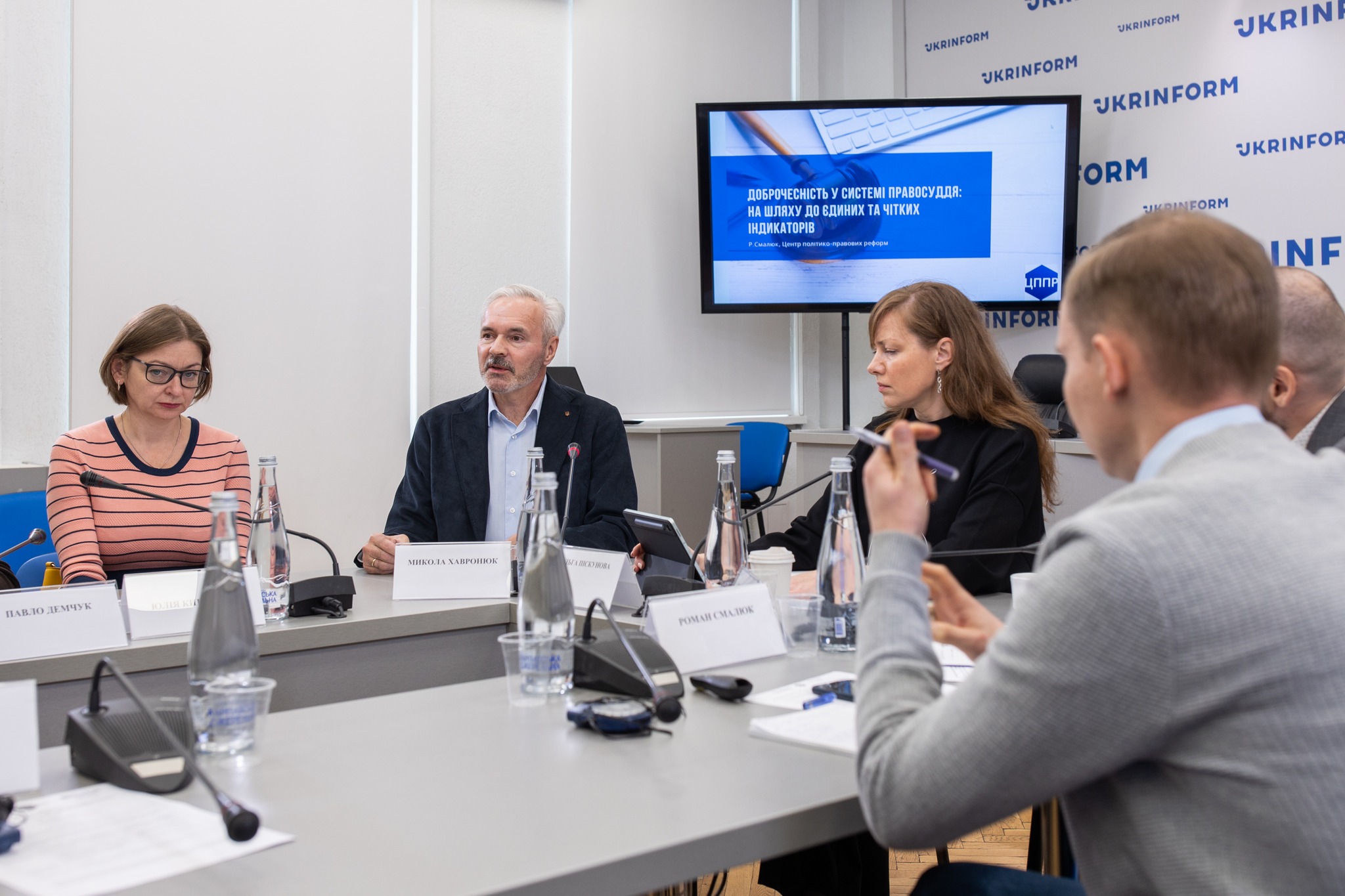
• 25+ public events held or participated in.
• 4+ advocacy visits to EU institutions and Member States conducted.
• CPLR Strategic Plan 2027–2028 developed; key provisions presented at the anniversary event in November 2026.
• The organization’s Communication Strategy approved.
• A Donor Brief prepared and utilized in working with potential donors.
• A documentary video “30 Years of Reforms” created and disseminated.
• Anniversary advocacy event “30 Years of CPLR: Reforms That Changed Ukraine” held with 40–60 representatives from donors, embassies, government bodies, and CSO partners.
• Coordination with regional partners of the UPLAN network restored: 2+ joint analytical publications, 2+ interregional events.
Long-Term Results (Post-Project):
• CPLR maintains its institutional capacity and expands its team to continue systematic work on reforms.
• The updated Strategic Plan provides clear priorities for securing new funding in 2027–2028.
• The communications function operates sustainably and evolves in response to current challenges as a tool of influence on Ukrainian policymakers and international partners.
• The UPLAN network resumes active operations as a regional multiplier of reform ideas.
• The donor landscape map and Donor Brief contribute to funding diversification.
Impact on the Institutional Capacity of the Organization
Project implementation will directly strengthen the institutional capacity of CPLR across three dimensions. First, organizational sustainability: the strategic plan, donor landscape map, and donor brief will enable a shift from reactive fundraising (applying for any open calls) to strategic fundraising (targeted engagement with specific donors in priority areas). Second, communication capacity: systematizing the communication strategy will allow for systematic work and demonstration of organizational impact, which is a key condition for attracting new grants. Third, team retention: stable coverage of core operational expenses will help retain key experts whom the organization risks losing due to funding uncertainty, while also creating conditions for team expansion.
Impact on Target Groups
Key CPLR target groups—public authorities, international partners, and the general public—will experience the project’s impact through the preservation and enhancement of analytical products and services provided by the organization. Civil servants and local government officials will continue to receive analytical support in legislative activities. Embassies and international organizations will receive regular “Weekly Political Analysis” reviews and the opportunity to consult independent experts on the status of reforms. The general public will benefit from free access to high-quality, independent analysis via the organization’s website and social media. Regional CSOs will receive methodological support and a platform for coordination through the UPLAN network.